
One of the biggest mistakes that companies can make is getting too far down the product design path before involving people with expertise in plating processes and alternatives.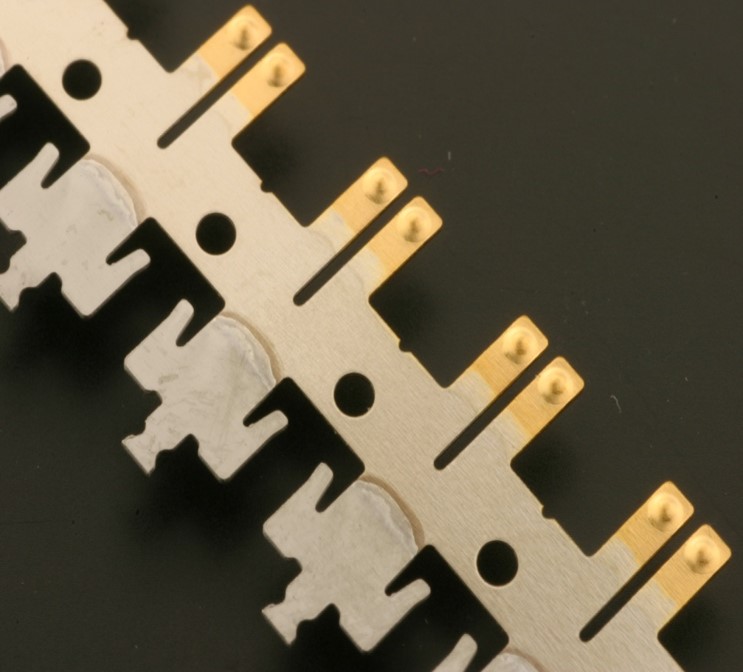
Best practices in Design for Manufacturing call for early consultations with all of the key manufacturing participants to assure that production process choices reflect both the product specifications and the need for optimal production efficiency.
Early involvement of plating experts assures manufacturability and holds down costs – both by minimizing the amount of precious metal in each product and streamlining production sequence to avoid unnecessary steps.
In many cases, making the relatively small investment at the beginning of the design process to choose the optimal reel-to-reel plating methodology can yield huge cost savings over the lifecycle of a product.
Electroplating of components is an integral element for many of today’s product designs, with the selective application of precious and non-precious metals now a routinely specified requirement. However, the plating process should not be simply considered a routine afterthought when it comes to optimizing product design for manufacturability.
Continuous reel-to-reel plating has become the industry standard because it offers significantly better control over the process, with more consistent yields and quality than other alternatives, such as barrel or rack plating.
Even so, there are a number of considerations that should be taken into account when choosing the solution that is right for your design. These include:
- Pre-Plating vs. Post-Plating tradeoffs
- Overall full-coverage plating
- Controlled Depth plating
- Selective Stripe plating
- Selective Spot plating
- Selective Brush plating
- Materials issues (finish alloys, thickness, etc.)
Due to the high cost of many precious metal plating finishes, such as gold, palladium, silver, etc., it can often be advantageous to use selective plating processes to minimize the amount and cost of the precious metal. In other situations, the key factor for driving down cost might be reducing the number of process steps and tightly integrating the plating steps within the part-formation process.
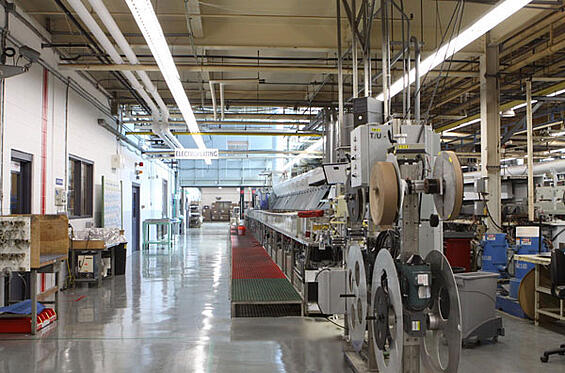
The bottom line is that each product design that involves plating comes with its own unique set of requirements and every product design can benefit from an understanding of how to optimize the plating process for manufacturability.
To learn more, read the latest Tech Bulletin on Optimizing Reel-to-Reel Plating


