The ongoing trends in electrification of automobiles, trucks and commercial transportation systems are driving a series of important changes in the way inverters and power modules are designed, manufactured and integrated with other systems in the vehicles.
Typically, modern inverters are built around high-power insulated-gate bipolar transistors (IGBTs) that handle all of the electronic switching functions at the heart of the process. A number of subassemblies and components, such as control boards, busbars, current sensors, capacitor banks, cooling circuits, etc., surround the IGBT. When integrated together, all of these elements comprise the functional inverter stack.
Traditional interconnect methods in IGBT power module packaging, such as bolting and welding harness connections cannot keep up with today’s requirements because they are inefficient, cumbersome, and assembly-process intensive. They result in larger assemblies with longer current paths and higher overall inductance.
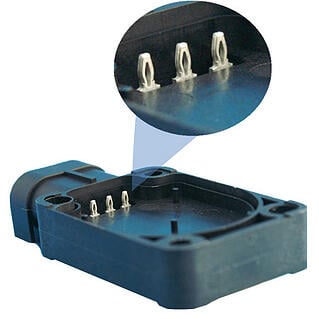
In contrast, the efficient design of IGBT inverters and power module integration by using pluggable, high-force, press-fit technology can significantly improve power efficiency, reduce the bill-of-material costs, decrease assembly complexity and shrink the overall physical size of the power assembly.

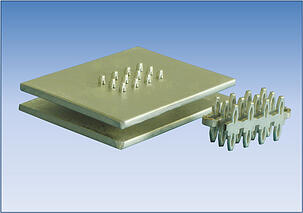 However, as power applications are becoming smaller, faster and more complex, the integration of busbar functionality is undergoing significant evolution as well.